Getting told you need a crown can feel like bad news, mostly because it sounds expensive and complicated. In reality it’s one of the more routine things a dentist does, and once you understand what’s actually happening, the whole thing tends to feel a lot less daunting.
So What Is It
A crown is basically a cap for your tooth. It covers the whole thing from the gumline up, and once it’s on, the tooth looks and functions like normal. You eat with it, brush it, bite down on it. Most people forget it’s there within a week or two.
The materials used today are porcelain or ceramic, matched to your natural tooth shade. They don’t look fake, they don’t have the old metal line at the gumline that older crowns had. Someone sitting across from you at lunch isn’t going to notice it.
Why a Crown Instead of Just a Filling
Fillings work great for small to medium cavities. The tooth has enough healthy structure left to support the filling, it bonds in, done. But when a cavity gets large, or a tooth cracks, or the existing structure is compromised in some way, a filling doesn’t have enough to hold onto. You put one in anyway and it’ll fail, usually sooner than later.
A crown solves that by wrapping around the whole tooth. Think of it like a sleeve over something fragile. It holds everything together and distributes biting force the way the original tooth was designed to.
Cracked teeth in particular can’t wait. A crack that’s stable today can split further with normal chewing pressure over the next few weeks. Once a crack goes below the gumline, you’re potentially looking at an extraction rather than a crown. Getting on it early is almost always the cheaper, less involved option.
Teeth that have had root canals also need crowns. Root canal-treated teeth dry out over time and become brittle, and an unprotected tooth in that condition can fracture in half under normal use. The root canal saves the tooth, but the crown is what keeps it usable long-term.
What About a Bridge
A bridge is different from a crown, though the two often come up together. A crown restores a tooth that’s still there. A bridge fills the gap where a tooth is gone.
The way it works: the teeth on either side of the gap get crowns, and a replacement tooth is suspended between them. No implant, no surgery. It’s a solid option for a lot of people, particularly if the neighboring teeth already need crowns anyway or if implant surgery isn’t something you want to go through.
Dr. Stout can talk through whether a bridge or an implant makes more sense for your situation. Both are good options depending on the specifics.
The Appointment Process
Two visits, usually about a week or two apart.
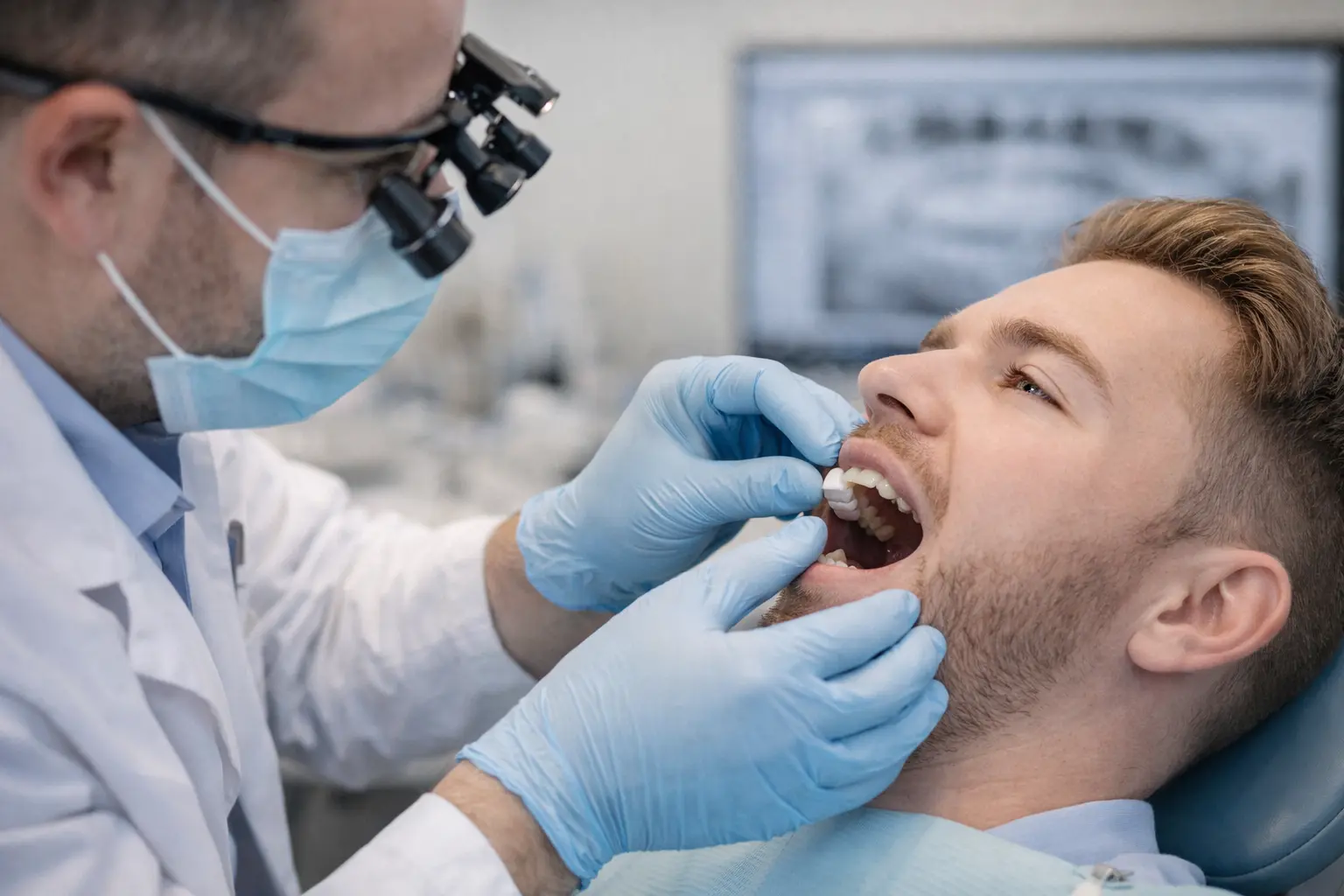
At the first one, Dr. Stout shaves down a small amount of enamel so the crown will sit properly. Then a digital impression goes off to the lab, and you leave with a temporary crown that’s fully functional in the meantime. You can eat, drink, and go about your normal life with it in.
When the permanent crown comes back from the lab, you come in for the second appointment. Dr. Stout checks the fit and color match, makes any small adjustments, and cements it in. Most people walk out in under an hour. That’s the whole process.
How Long Do They Hold Up
Realistically, 10 to 15 years for most people, and plenty last longer. The location matters too. A crown on a back molar that takes a lot of chewing pressure will wear differently than one on a front tooth.
Taking care of a crown isn’t complicated. Brush and floss like normal. Don’t chew ice or use your teeth to open things. If you grind at night, a night guard is worth getting, because grinding will shorten the life of the crown and anything else in your mouth. Keep up with your cleanings.
What Does It Cost
At Family First Dental, a crown runs $1,000 to $1,700 depending on the material and the case. Most dental insurance plans cover around half of that after your deductible.
Payment plans through WellCredit and Cherry are available for what insurance doesn’t cover. If you want to know what your specific plan pays before you commit to anything, just call (208) 400-9946. The front desk will go over your benefits with you.
Signs You Should Get Looked At
You don’t need to wait until something breaks to get checked. A few things worth calling about sooner rather than later:
- Tooth pain when biting down that wasn’t there before
- A visible crack or a tooth you know got chipped
- A filling that feels different, loose, or like part of it is gone
- A tooth that had a root canal with no crown on it yet
- Cold or heat sensitivity that lingers for more than a few seconds
None of that is necessarily a crown situation, but all of it is worth finding out sooner. Options tend to shrink the longer something goes unaddressed.
Dr. Craig Stout at Family First Dental has been placing crowns and bridges for over 18 years. He’ll show you what he’s seeing on the screen, tell you what he recommends and why, and let you decide. If a filling or something less involved can handle the problem, he’ll say so.To book a consultation, visit the dental crowns and bridges page or call (208) 400-9946. The office has evening hours on Tuesdays and Thursdays, and Saturday mornings work too if the week is tight.